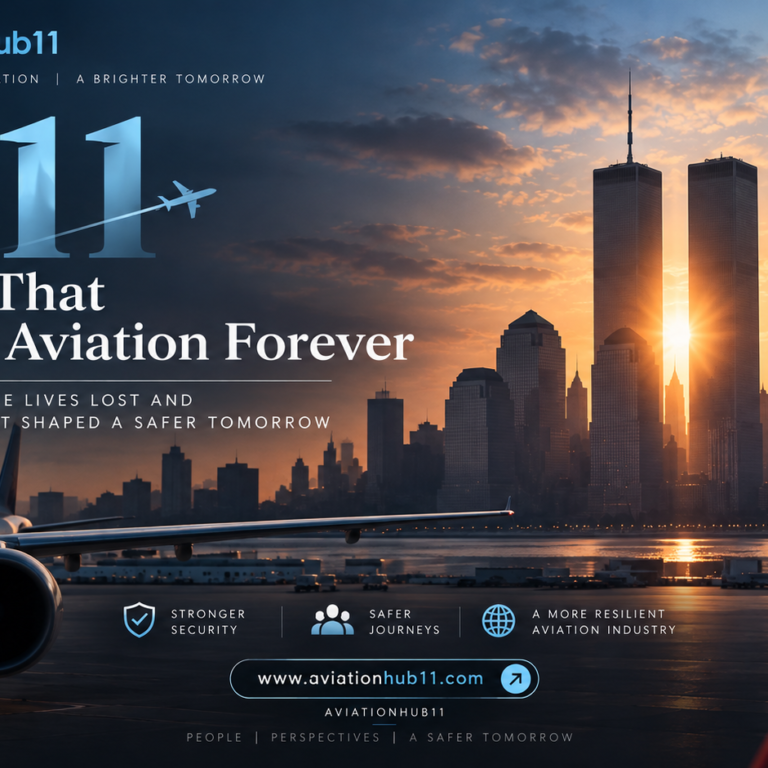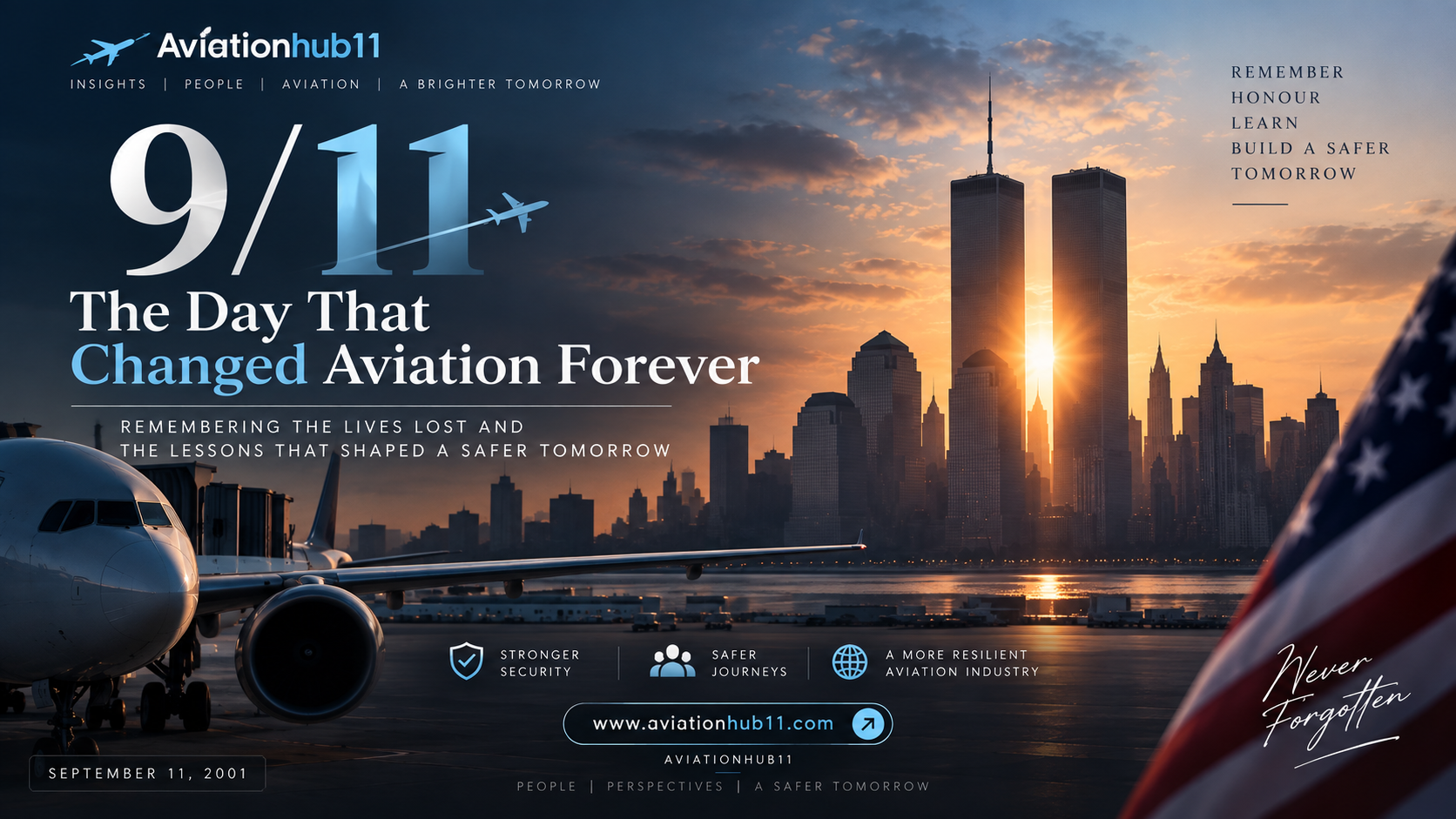
The morning of September 11, which claimed thousands of innocent lives, continues to have a lasting impact on aviation even after 25 years.
For the aviation industry, September 11 marked a pivotal turning point. The aviation industry, airport security, and aviation safety underwent significant changes. How the aviation industry operates, how airport security works, and how aviation is secured.
We must remember the people who suffer at the heart of this tragedy
Aviation Before 9/11
Aviation security is an important part of aviation operations, but it is quite different from what we see today.
The airport had passenger and baggage screening and an X-ray security control area, but it was not as extensive as we have today, and the earlier cockpit door does have a lock.
The event highlights the major vulnerabilities in the area of aviation security, which forced aviation to rethink how to overcome vulnerabilities.
It brings the new era of security standards in aviation.
A New Era of Aviation Security
Passenger and baggage screening became extremely thorough and careful. The list of restricted items has increased
In the United States, the Transportation Security Administration, also known as TSA, has been established to change the way aviation security is organized.
Over time, many security enhancements have been suggested by international aviation authorities. International aviation authorities have suggested many security enhancements over time. by the international aviation authorities.
As a passenger, it is now normal to go through routine security screenings, which include controlled access points, baggage screening, identification checks, and restrictions on certain items.
The cockpit becomes more secure.
One of the most important developments was the strengthening of flight deck doors and procedures allowing access to the cockpit.
The object is to make the flight deck more secure and prevent unauthorized access to the cockpit.
For the crew, security becomes part of their operational responsibility.
A Change in Aviation Culture
9/11’s greatest impact extended beyond a single aspect of aviation; it fundamentally transformed the entire culture of the aviation industry.
The aviation industry has become more focused on identifying vulnerabilities, managing security risks, and preparing for threats before they escalate into actual events.
Aviation has always depended on safety procedures, training, and teamwork. After 9/11, security became more integrated into the system.
25 years later,
In many ways, aviation today is safer and more security-conscious, partly due to the industry’s hard-earned lessons from September 11.
The experience also reminds us that aviation is more than just planes, airports, timetables, and destinations. At its heart, it is about people.
Every traveler walking through an airport is placing their faith in thousands of aviation experts—from check-in and ground operations to cabin crew, pilots, engineers, security, and air traffic specialists.
With such trust comes duty.
In observing 25 years since September 11, we pay tribute to the deceased, the first responders, and the families whose existence was permanently transformed.
We also recall the lessons that transformed the entire aviation sector.
The mining that took hundreds of innocent lives and the aviation industry were transformed in ways that are still felt even after 25 years
For aviation, September 11 is the turning point. It altered how aviation business operates, how airport security works, and how aviation is safeguarded.
May we never forget the people, the lives, and the stories behind September 11.
September 11, 2001, Honored and Never Forgotten
About the Author